



Navigating the Dance with an Emotionally Avoidant Partner
February 27, 2025
We live in an era that worships vulnerability. From viral talks to social media influencers, we are constantly told that "radical transparency" is the only path to connection. But there is a dangerous misconception that vulnerability is a binary switch-that you are either "open" or "closed." This leads many people to engage in "flood-lighting," where they reveal their deepest traumas and insecurities to anyone who will listen, often within minutes of meeting them. This isn't actually vulnerability; it's a defense mechanism used to fast-track intimacy or to test people's boundaries. True, sustainable connection is built on selective vulnerability. It is the art of revealing yourself in layers, ensuring that the person receiving your truth has earned the right to hear it.
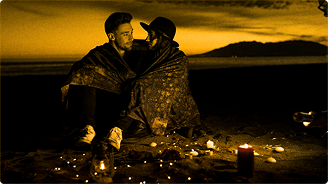
Selective vulnerability is the practice of matching the depth of your disclosure to the strength of the container. Think of your inner self as a series of concentric circles. The outermost circle is for acquaintances-general opinions, surface-level struggles, and professional identity. The inner circles are reserved for those who have demonstrated consistency, empathy, and reliability over time. When we jump straight to the center, we often overwhelm the other person and leave ourselves feeling "emotionally hungover." We feel exposed and regretful, not because our truth was wrong, but because the environment wasn't ready to hold it. Power lies in knowing that you are the gatekeeper of your own story.
Navigating the Dance with an Emotionally Avoidant Partner
February 27, 2025
How to Distinguish Between Intuition and Insecurity
October 4, 2025
The Art of the "Clean" Breakup
May 4, 2025
One of the most effective ways to practice this is the "test and see" method. Before you share a major vulnerability, share a minor one. Admit to a small mistake at work, or a slight insecurity about a social situation, and then watch how the other person handles it. Do they listen without judgment? Do they offer reciprocal vulnerability? Or do they dismiss it, change the subject, or use it against you later? Vulnerability without boundaries is just self-betrayal. By being selective, you are protecting your "tender parts" from people who don't have the emotional maturity to respect them. This creates a filtered social circle where the people closest to you are those who have proven they can be trusted with your complexity.
There is also a profound difference between being vulnerable and being victimized. Selective vulnerability means sharing from a place of "scars," not "wounds." A wound is fresh, raw, and requires immediate care; when we share from a wound, we are often looking for the other person to "fix" us or save us. A scar is a story of something that has healed; it carries the wisdom of the experience without the frantic need for external regulation. When you share from your scars, you remain in your power. You are telling a story of resilience rather than a plea for rescue. This allows the other person to connect with you as an equal, rather than a caretaker.
Selective vulnerability also prevents "intimacy burnout." If you are vulnerable with everyone, you have nothing left for the people who truly matter. By holding back certain parts of yourself, you create a sense of "sacred space" in your most intimate relationships. There should be parts of your soul that only your partner or your closest friends know. This exclusivity is what makes those bonds feel special. It's the "inner sanctum" of your life. When you are selective, your openness becomes a gift rather than a habit. It signals to your loved ones: "I trust you with the parts of me that the rest of the world doesn't get to see."
Ultimately, the goal of emotional intelligence isn't to be an open book; it's to be an intentional author. You get to decide which chapters are public and which are reserved for the premium edition. Selective vulnerability allows you to be authentic without being unprotected. It allows you to build deep, resonant connections while maintaining a core of self-sovereignty. You realize that you don't owe anyone your entire history just because they asked. When you finally master the power of the "slow reveal," you find that your relationships become more stable, your self-respect grows, and the connections you do form are built on a foundation of genuine, earned trust.